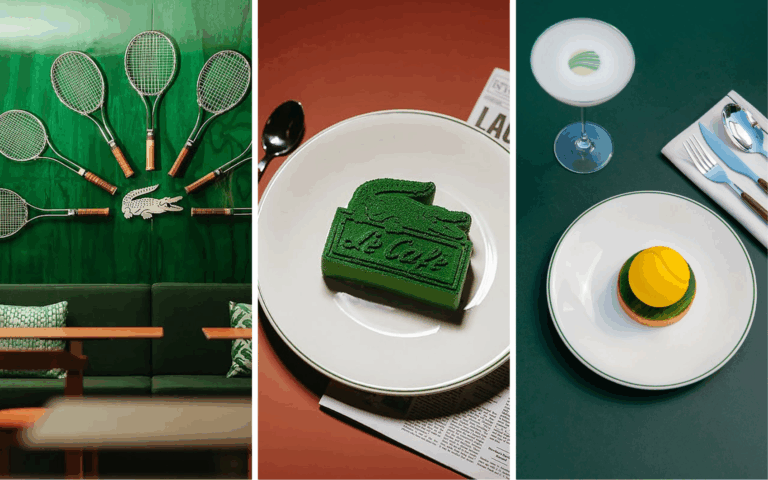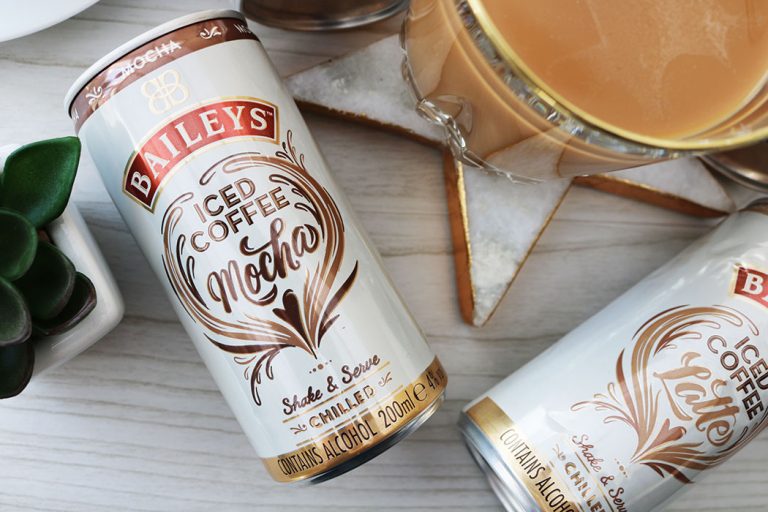



Lacoste opens a café in Monaco. Tesla launches a retro-futuristic diner in Los Angeles. Ralph Lauren serves burgers and martinis at The Polo Bar. Gucci earns Michelin stars. Prada welcomes visitors to its elegant café inside Harrods. MUJI opens hotels inspired by its philosophy of simple living. Santander reinvents bank branches as cafés and coworking spaces. Bulgari welcomes guests to luxury hotels around the world. And the list goes on.
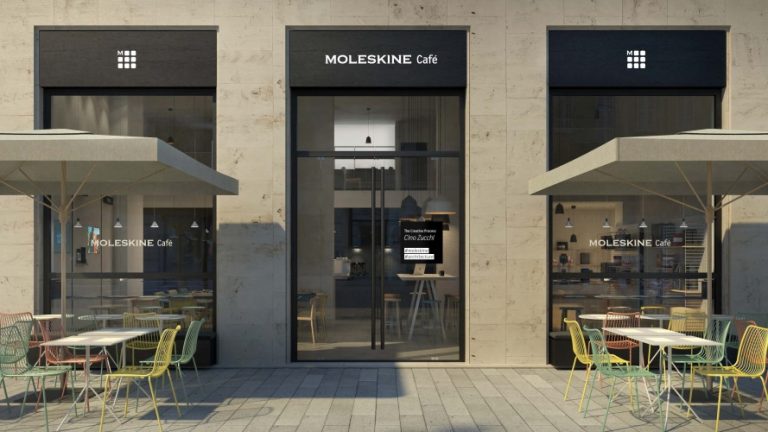
Over the past few years, I couldn’t help but notice more and more consumer brands venturing into hospitality. While luxury fashion has led the way, the movement has gradually spread to sectors as diverse as automotive, banking, stationery and lifestyle retail, with brands like Tesla, Santander, Moleskine and MUJI all embracing the trend.
A decade ago, these initiatives might have looked like marketing stunts. But today, they represent a fascinating branding move that goes beyond pure profitability. They say a lot about how brands can build deeper, more human connections with people.
These brands aren’t suddenly trying to compete with restaurateurs or hoteliers.
These brands are embracing hospitality because cafés, restaurants and hotels have become powerful tools for both brand and business development. They generate new revenue streams, yes, but they also strengthen customer loyalty, attract new audiences and, perhaps most importantly, transform a brand into an immersive experience.
In an era when consumers appreciate memorable moments as much as the products themselves, hospitality has become one of the most effective ways to extend a brand beyond its products.
Proven Systems for Business Owners, Marketers, and Agencies
→ Our mini-course helps you audit and refine an existing brand in 15 days, just 15 minutes a day.
→ The Ultimate Brand Building System is your step-by-step blueprint to building and scaling powerful brands from scratch.
Table of Contents
Hospitality is the ultimate brand extension

Brand extensions are nothing new. Fashion brands have expanded into fragrances, beauty companies into wellness, and automotive brands into lifestyle products for decades. But there’s something about expanding into hospitality that feels different. Unlike a perfume or homeware collection, a café or hotel lets people step into a brand’s universe. Every detail, from the architectureBrand architecture defines the role of each brand and acts as a guideline for the interrelationship between the brands in your organization. Learn more and furniture to the menu, music, and service, becomes part of the brand’s identity.
Café Lacoste in Monaco illustrates this perfectly. The entire space has been designed to reflect the brand’s philosophy and art de vivre, combining French elegance with its sporting heritage. The café feels less like a licensing opportunity and more like an extension of the Lacoste lifestyle. We recently explored the concept in more detail in our Café Lacoste case study, and you’ll be surprised by how carefully every touchpoint has been designed, from the food and architecture to the communication style.
Luxury brands have understood this for years. Ralph Lauren has built an entire hospitality ecosystem around restaurants, cafés and bars that embody the timeless American lifestyle at the heart of the brand. Gucci Osteria translates the Italian fashion house’s creativity into fine dining, while Dior, Louis Vuitton and Prada have all opened cafés, restaurants, or spas that blur the line between retail and hospitality.
Rather than selling products, these spaces sell atmosphere, culture and aspiration. This convergence reflects a broader shift toward “experiential luxury”, where consumers increasingly value immersive experiences alongside physical goods.
“To have a restaurant is another way for me to share my vision, my world. It’s a way for me to share my passion for quality and sophistication and taste, and create a warm, inviting space. My hope is that you’ll want to return again and again.”
– Ralph Lauren
Expanding into hospitality also changes one crucial metric: time. Instead of spending twenty minutes browsing a store, customers might spend an afternoon having lunch, meeting friends over coffee, or even an entire weekend in a branded hotel. That longer interaction creates stronger emotional connections and makes the brand far more tangible.
In many ways, hospitality is the ultimate brand extension. It allows companies to diversify their business, build stronger relationships with customers, and create physical spaces where people can experience the brand through all senses.
It’s a bold branding move, but also a risky one. If the experience goes wrong, so can the brand. Unlike a product that can be returned or forgotten, a bad experience is often remembered and shared. Poor service, long waiting times, or a lack of attention to detail can quickly undermine everything the brand stands for. In hospitality, every interaction becomes part of the brand. That’s what makes it one of the most powerful forms of brand extension, but also one of the hardest to get right.
Hospitality is good business, too

Hospitality also represents a strong business opportunity. For some brands, cafés and restaurants become profitable businesses in their own right. For others, the return is more strategic than immediate.
Tesla’s diner, for example, is not designed to transform the company into a restaurant chain. Instead, it complements the Supercharger network by giving drivers somewhere to eat and spend time while their electric vehicles charge. The restaurant strengthens the Tesla ecosystem, making ownership more enjoyable while turning charging stations into destinations.
But what’s interesting is that brands don’t necessarily need to open their own café, restaurant, or hotel to benefit from hospitality. Some, like skincare brand Typology, simply partner with selected hotels where guests can discover the brand’s products during their stay. Instead of testing a product for a few seconds in a store, guests get to use it during their hotel stay, making the introduction to the brand feel much more natural.
Hospitality can therefore serve multiple commercial objectives at once: generating revenue, increasing customer lifetime value, supporting product discovery, but also reducing reliance on increasingly expensive digital customer acquisition.

Experiences are a powerful modern marketing tool

Hospitality also solves another challenge facing modern brands: capturing attention. These branded spaces become living advertisements that consumers willingly visit, photograph and recommend.
People are increasingly resistant to traditional and digital advertising, but they actively seek real-world experiences worth sharing, especially with the rise of AI and virtual technologies. According to PwC’s Experience is Everything report, 65% of U.S. consumers say a positive experience with a brand is more influential than great advertising, highlighting just how valuable memorable, real-world interactions have become.
In addition to this, a beautifully designed café or restaurant naturally generates user-generated content across Instagram, TikTok and travel platforms. Every customer becomes a potential creator, and every visit becomes organic marketing.
This is one reason luxury brands continue investing in hospitality, even if it’s a more complex business to operate. A café inside a flagship store does more than sell coffee. It encourages people to visit, stay longer, and share their experience on social media or through word of mouth, helping the brand stay top of mind.
Last but not least, a branded place can also generate buzz before it even opens. Tesla’s diner attracted worldwide media attention before many people had the chance to visit it. Likewise, Café Lacoste was covered extensively across fashion, retail, architecture and hospitality publications because it represented a well-executed evolution of the brand rather than simply another restaurant opening.
Why the future belongs to experience-led brands

Hospitality may seem like just another branding trend, but it’s much more than that. What these projects reveal is a broader shift in the role of brands.
As retail becomes increasingly digital and people spend more and more time on their screens, real-world experiences will only become more valuable. Nowadays, brands are going beyond simply selling products. Many aim to become part of people’s daily lives and remain culturally relevant.
But the brands that succeed won’t necessarily be those opening the most cafés or hotels. They’ll be the ones focusing on experiences that authentically express who they are and on creating moments of pure human connection that people genuinely want to be part of.